

- Homepage
- Our latest news
- A Giant 4 GWh Battery Storage Facility Is Set to Be Built in Germany
A Giant 4 GWh Battery Storage Facility Is Set to Be Built in Germany
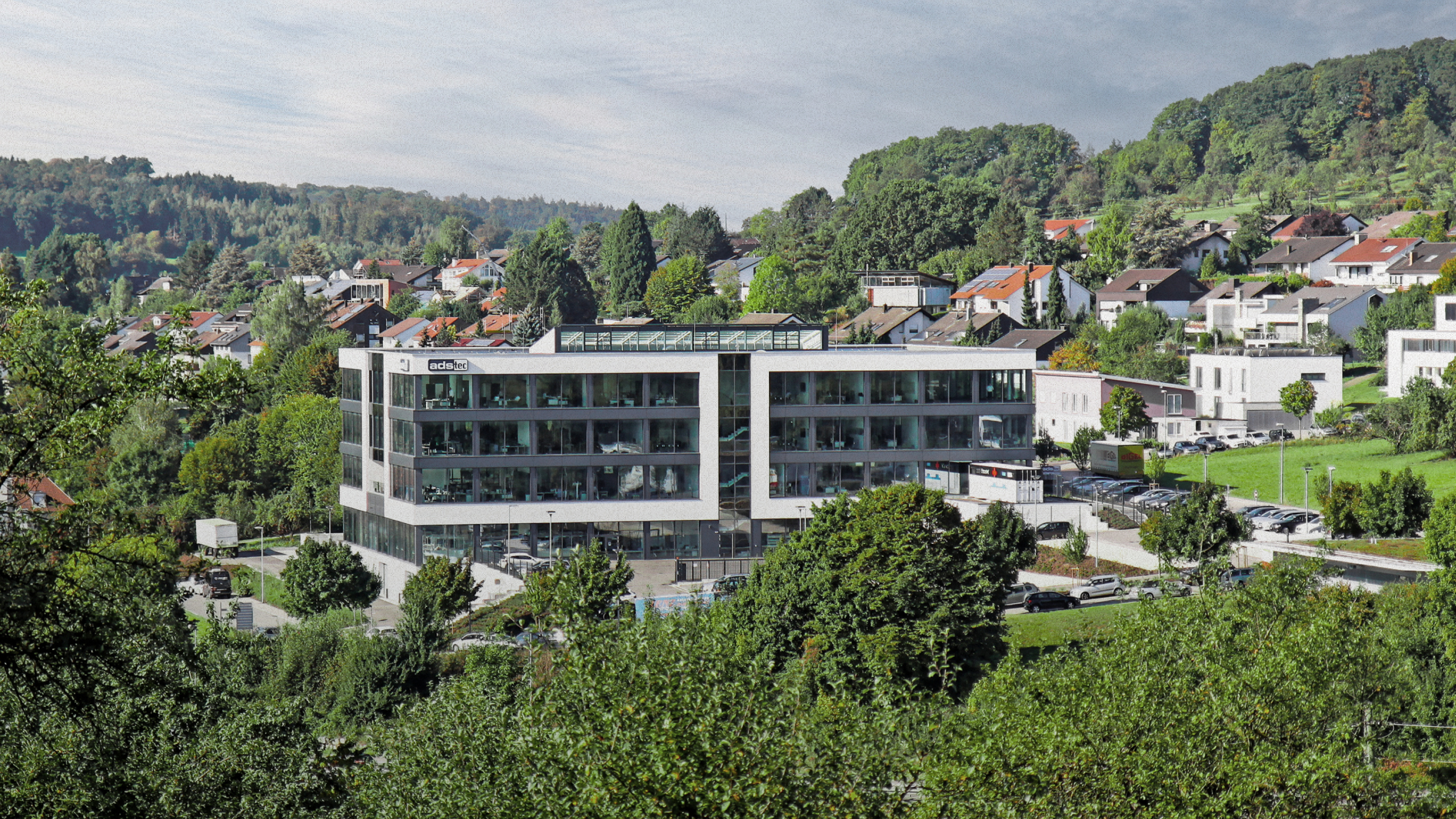
With a planned power output of approximately 1 gigawatt (GW) and a storage capacity of 4 gigawatt-hours (GWh), the facility being developed by German company ADS-TEC Energy is set to become one of Europe's largest battery energy storage systems.
There is no shortage of superlatives to describe this ambitious project. ADS-TEC Energy, headquartered in Nürtingen, Baden-Württemberg, has announced that the authority responsible for reviewing its proposed battery energy storage facility at the Pulverdingen substation has confirmed that all application documents are complete.
According to the company's official announcement of 28 October 2026, planning permission is expected shortly.
Once the necessary approvals are secured, construction could begin on a facility designed to deliver around 1 GW of power and store 4 GWh of electricity, placing it among Europe's largest battery storage installations.
“A project of this size requires staying power,” said Thomas Speidel, founder and CEO of ADS-TEC Energy.
He highlighted the years of preparation behind the project and the strategic importance of maintaining European expertise and control over critical energy infrastructure. He also acknowledged the contribution of local landowners, the community, public authorities, the Baden-Württemberg state government and the grid operator.
A Battery Storage Facility on the Scale of a Power Station
A quick calculation puts the scale of the project into perspective.
One gigawatt is roughly equivalent to the output of a large coal-fired or nuclear power station, or approximately 250 wind turbines.
According to ADS-TEC Energy, the battery storage system is designed to deliver this power for approximately four hours. A full charge would theoretically correspond to the daily electricity consumption of around 400,000 single-family homes or 800,000 flats.
The financial scale is equally significant. The company estimates that facilities of this size typically require investments ranging from several hundred million euros to approximately €1 billion.
The project is expected to connect to the electricity grid in 2029, subject to the necessary approvals and its development schedule.
How the Project Began
From the outset, ADS-TEC Energy has worked with established European partners to develop the project.
According to the company's press release, leading German companies and major industrial groups are ready to supply the batteries, electrical switchgear, transformers and extra-high-voltage equipment.
The batteries will use ADS-TEC Energy's proprietary battery management systems. The company has developed and deployed the associated electronics and software in-house for more than 15 years.
This approach is intended to reduce dependence on external battery management system suppliers, many of which are based in Asia, while strengthening local control over software, cybersecurity and associated data.
ADS-TEC Energy specialises in the design and manufacture of battery energy storage solutions, fast-charging systems and their associated energy management technologies.
How Does Battery Energy Storage Work?
Battery energy storage facilities do not generate electricity. Instead, they store electricity and release it when needed.
The system absorbs electricity when generation exceeds demand, for example around midday when solar production peaks or during periods of strong wind. It can then release stored electricity within fractions of a second when available supply becomes limited.
During normal operation, the facility will typically operate at partial load, adjusting dynamically to the requirements of the electricity grid.
It will also help stabilise grid frequency, absorb peaks in demand and support the restoration of electricity supply following a power outage.
These capabilities are particularly relevant as electricity systems integrate increasing amounts of renewable energy. Wind and solar generation vary according to weather conditions, while electricity demand fluctuates throughout the day.
Large-scale battery storage can help bridge the gap between periods of surplus generation and periods of higher demand, providing additional flexibility to the grid.
The facility is designed to operate for decades. Beyond developing and constructing the plant, ADS-TEC Energy will provide technical services to support its long-term operational reliability and availability.
The plant is expected to be operated primarily in partnership with companies from the European energy sector. Its technical capabilities may also be marketed through emerging electricity flexibility markets.
By developing both hardware and software in-house, ADS-TEC Energy aims to retain the ability to adapt the facility to changing market conditions and new business models.
What Happens Next?
ADS-TEC Energy is currently in negotiations with potential investors and strategic partners.
Obtaining planning permission is a key prerequisite for finalising financing and partnership agreements.
The company is prioritising a partner from the European energy sector, although discussions are also under way with major international infrastructure investors.
ADS-TEC Energy intends to sell a majority stake in the project company while remaining involved as a long-term partner.
With a planned grid connection in 2029, the project represents a significant development in large-scale battery energy storage in Germany and illustrates the growing role of storage infrastructure in Europe's electricity system.